
Rethink Culture to Drive Successful Transformations
Rethink Culture to Drive Successful Transformations
December 2025

Read article


April 2025
What if the answer were not to do more, but to step back so you can act more effectively? A team’s health is not a matter of comfort. It is a driver of cooperation, decision-making, and sustainable performance.
In many organizations, pressure has become normal. Urgencies keep piling up, calendars fill up, trade-offs have to be made quickly, and teams are expected to deliver more and more, often with the same resources. So people keep moving forward. They hold on. They respond. They produce. But at what cost?
Because a team can appear to keep functioning while gradually losing what makes it truly strong: energy, clarity, trust, the quality of relationships, the ability to speak openly, and the ability to think together. Signs of strain do not always take the form of an open crisis. They often appear more subtly: underlying tensions, recurring irritation, unclear priorities, lower engagement, unproductive meetings, slower decisions, innovation losing momentum, and cooperation becoming more costly.
In other words, a team’s health cannot be measured only by its atmosphere. It can be seen in the way it makes decisions, navigates disagreements, assumes its interdependencies, regulates tensions, and stays mobilized over time.
Team health is a matter of governance, decision-making, and performance
This is often where the misunderstanding lies. Team health is sometimes treated as a secondary, relational, almost “comfort-related” issue, separate from the real business challenges. In reality, it directly affects execution capacity. When cooperation weakens, trade-offs become more difficult, interfaces start to creak, responsibilities become blurred, and performance ends up costing more than it delivers.
A healthy team is not a perfect team. It is a team that is able to say what matters, clarify what is holding it back, adjust what no longer works, and keep moving forward without burning out. It is a team that can go through demanding periods without turning pressure into a permanent way of operating.
The core idea is simple, but decisive:
within a team, it is not enough to notice fatigue. You have to work on the gaps.
The gaps between what is being asked and what is actually possible.
The gaps between stated responsibilities and lived responsibilities.
The gaps between the cooperation that is desired and the ways of working that actually exist.
The gaps between stated values and day-to-day behaviors.
It is within these gaps that trust, the quality of dialogue, the clarity of decisions, and ultimately the collective’s ability to endure over time are shaped.
Taking care of a team’s health does not mean “doing one more workshop”
Taking care of a team’s health is not about artificially smoothing over differences, avoiding tensions, or organizing a pleasant break with no impact on reality. On the contrary, it means looking at work as it is actually experienced, naming what is wearing people down, identifying what is already supporting the collective dynamic, and transforming what needs to change.
In practical terms, this often means clarifying three things:
This work is anything but cosmetic. It affects the team’s daily reality: its meetings, trade-offs, role distribution, information flow, the quality of feedback, how disagreements are handled, recognition, pace, meaning, and the way each person finds their right place within the collective.
What this work helps secure
When team health is taken seriously, it does not slow action down. On the contrary, it strengthens the ability to act together.
In practical terms, it helps to:
In other words: protect results without letting wear and tear become the price paid for collective functioning.
How OZ Consulting can help
This is exactly where my support with OZ Consulting Luxembourg comes in. My work is to help teams better understand their dynamics, ways of functioning, tensions, and resources, in order to strengthen their collective intelligence, their ability to cooperate, and their performance over time. My approach is tailor-made, flexible, and always adapted to the reality of the situation.
Depending on the moment, the level of tension, and your team’s maturity, the support can take several forms.
A targeted check-up, to take the pulse of the team, quickly identify sensitive areas, and detect signs of strain, unspoken issues, unclear ways of working, or fragile cooperation.
One or several targeted workshops, from 2 hours to half a day, to work on a specific issue related to the team’s dynamics or structure: alignment on purpose and objectives, clarification of roles and interdependencies, governance, team dynamics, communication, impact, or the mobilization of individual strengths. Repeated over time, these formats train the team to better anticipate, cooperate, and innovate together.
Team coaching, to support long-term dynamics, improve collective intelligence, strengthen the quality of interactions, and evolve the way the team communicates, collaborates, decides, and acts in the face of complexity. It is a powerful lever for rebuilding meaning, alignment, agility, and a healthy, productive, and sustainable work culture.
The “Healthy Teams” program, which I created to provide a framework that is both structured and dynamic: 5 half-days over 6 months to step back, better understand what is happening within the team, turn insights into concrete decisions, and embed new ways of cooperating over time. This program helps teams cooperate better, anticipate better, and innovate together, while remaining deeply rooted in your reality, your constraints, your culture, and your situation.
The expected outcome is clear
The goal is not simply to have a team that is “doing better.” It is to have a team that is more clear-sighted, more resilient, more consistent, and more able to act together.
A team that understands itself better.
A team that speaks more clearly.
A team that regains the space to think.
A team that regulates early what could otherwise block it later.
A team that develops more mature cooperation.
A team that strengthens its ability to anticipate.
A team that innovates not because it is told to, but because it once again has the conditions to do so.
A simple conclusion
So the real question is not only:
“Is my team still holding up?”
It is also:
“Is my team currently healthy, clear, and resilient enough to cooperate sustainably, make sound decisions, and face what lies ahead together?”
This is often a question that should be addressed before a crisis. Not when tensions are already firmly in place. Not when fatigue has become normal. Not when silent disengagement has already started to become costly.
Do you feel that your team is still moving forward, but at the cost of growing wear and tear? Are you noticing underlying tensions, areas of uncertainty, more fragile cooperation, or a loss of collective momentum?
Contact me.
With OZ Consulting Luxembourg, I help you build tailor-made support — check-up, workshop, team coaching, or the “Healthy Teams” program — so your team can cooperate better, anticipate more effectively, and innovate together over time. Let’s talk about your reality and design a solution that is useful, effective, and deeply adapted to your situation.

Did you like this article?
Rethink Culture to Drive Successful Transformations
December 2025
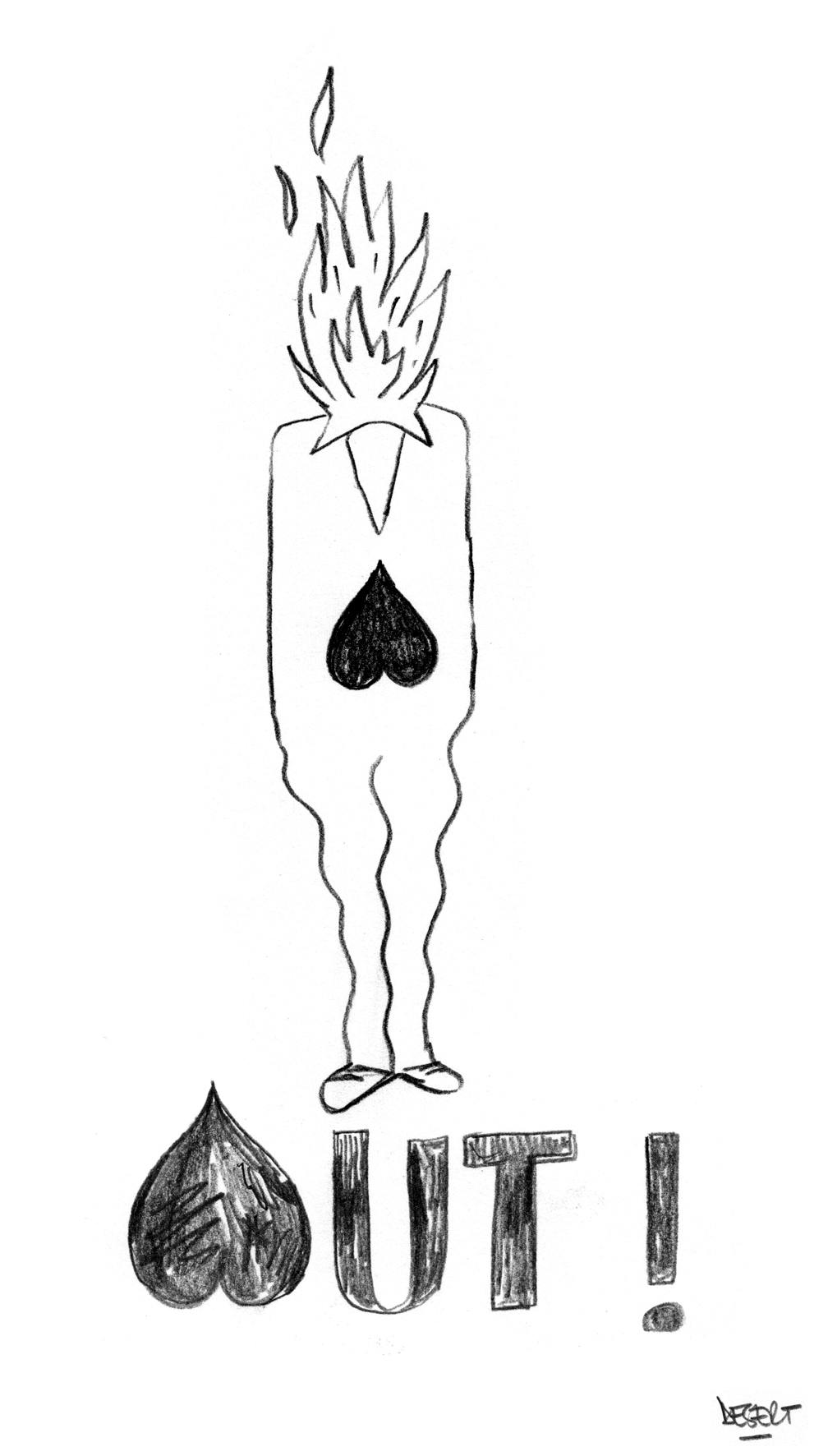
Burnout is rising worldwide. From Gallup to McKinsey, discover what the data — and the lack of it in Luxembourg — really reveals about workplace stress.
May 2025
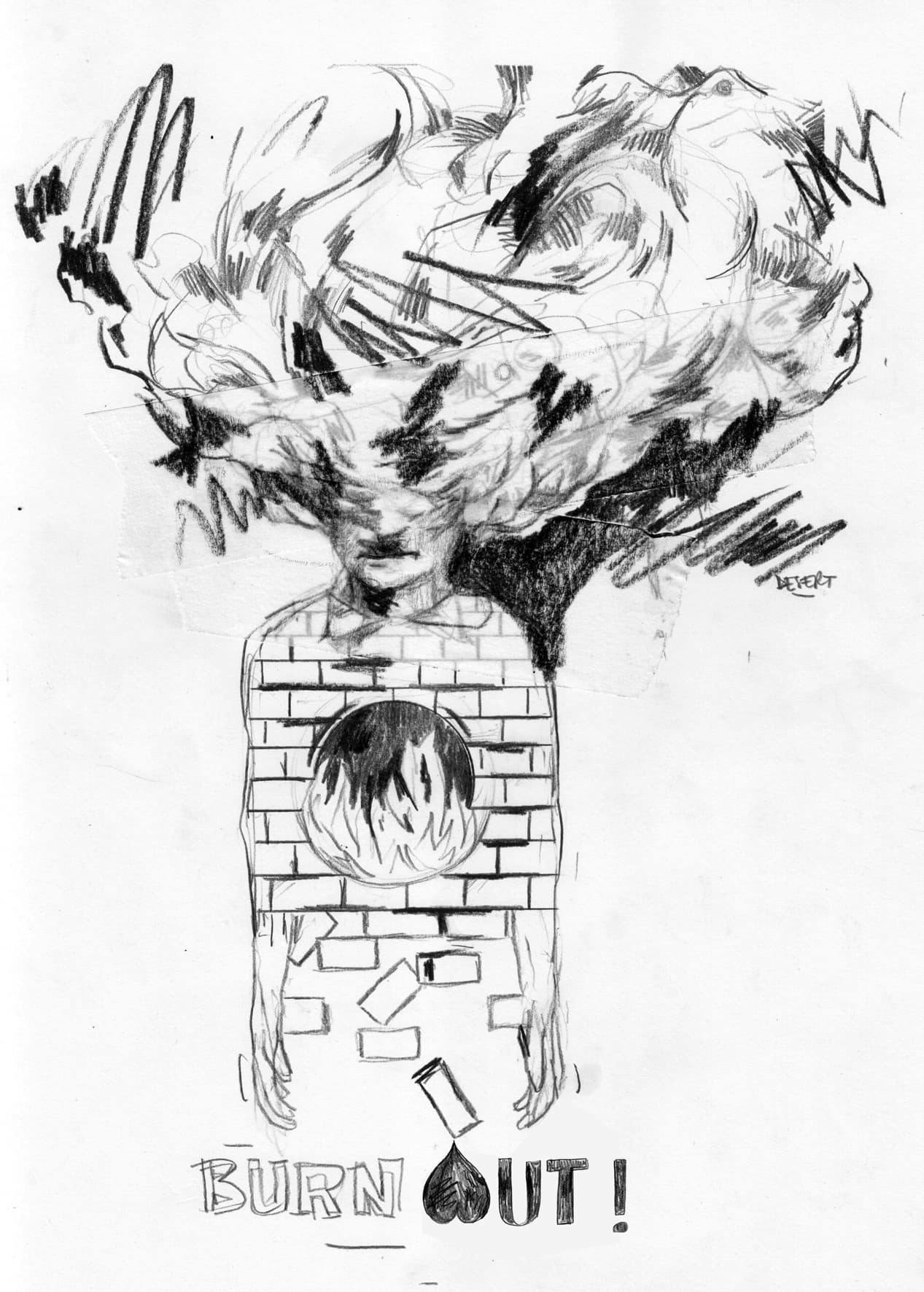
Beyond the numbers: definition of burnout, symptoms vs. boreout, and lived experiences to spot risks early and avoid collapse.
May 2025